Culture & Etiquette
Travel with confidence by understanding the unwritten rules of Chinese society. Respectful behavior goes a long way in the Middle Kingdom.

食
Dining Etiquette
- 1Wait for the host to start eating before you begin.
- 2Never stick chopsticks vertically into rice—this resembles incense at funerals.
- 3Tapping the table with two fingers is a polite way to say thank you when someone pours tea.
- 4Sharing dishes is the norm; take small portions and return for more.
- 5Finishing everything on your plate may signal you weren't given enough food.

礼
Public Behavior
- 1Personal space is smaller than in the West. Crowding is normal on public transport.
- 2Loud conversations and phone calls in public are common and not considered rude.
- 3Queue jumping happens; stay calm and hold your ground without confrontation.
- 4Public displays of affection are generally modest compared to Western norms.

酬
Tipping Norms
- 1Tipping is not customary in mainland China and may be refused.
- 2High-end hotels catering to foreigners may accept tips, but they are never expected.
- 3Tour guides and drivers on private tours often expect tips from foreign visitors.
- 4Round up the fare for taxis as a gesture of thanks, but it's not required.

节
Festivals to Know
- 1Spring Festival: The most important holiday. Travel is extremely crowded; book months ahead.
- 2Mid-Autumn Festival: Families gather to eat mooncakes. Beautiful but busy.
- 3National Day Golden Week (Oct 1–7): Major attractions are packed. Avoid if possible.
忌
What to Avoid
- 1Don't discuss sensitive political topics unless you know the person very well.
- 2Avoid giving clocks as gifts—the word for clock (钟) sounds like 'end' (终).
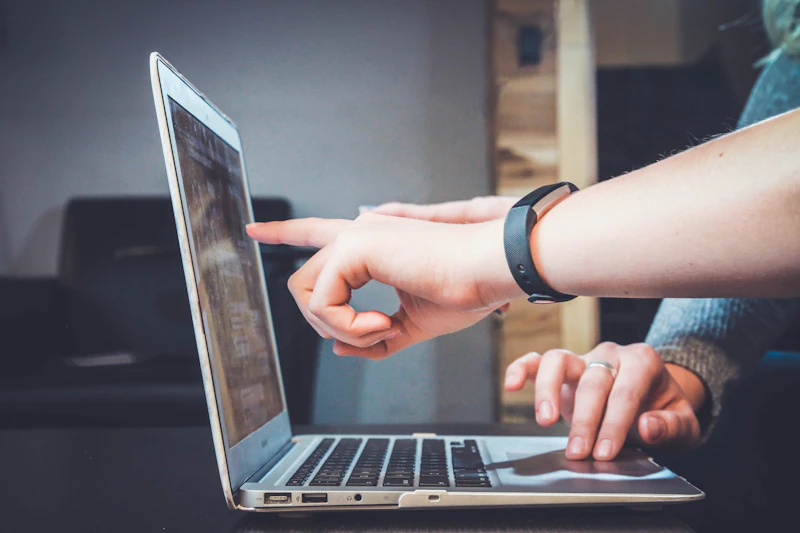
- 3Pointing with your index finger is considered rude; use an open hand instead.
- 4Blowing your nose loudly at the dining table is considered impolite.

地
Local Customs by Region
- 1North: Direct speech, hearty food, and strong baijiu drinking culture.
- 2East: More reserved manners, emphasis on refined cuisine and tea culture.
- 3South: Business-first mentality, dim sum culture, and subtropical pace of life.
- 4Southwest: Relaxed teahouse culture, love of spicy food, and ethnic minority traditions.
- 5Northwest: Influenced by Silk Road history; halal food is common in Xi'an and beyond.